How to Use Residential Proxies via APl Extraction?
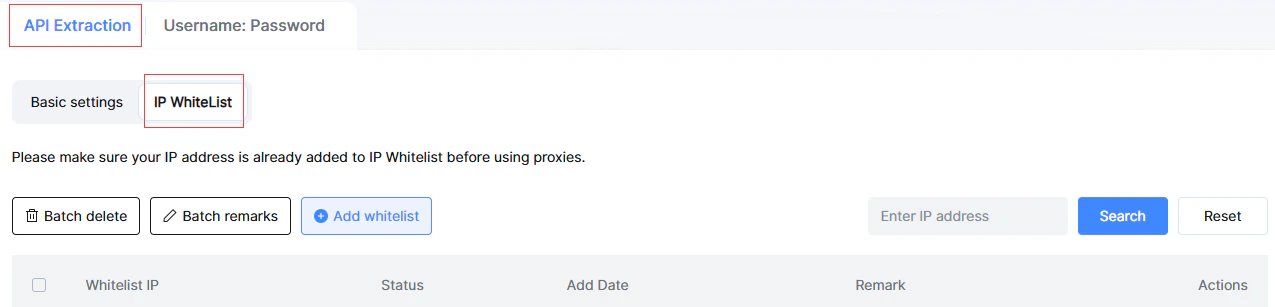
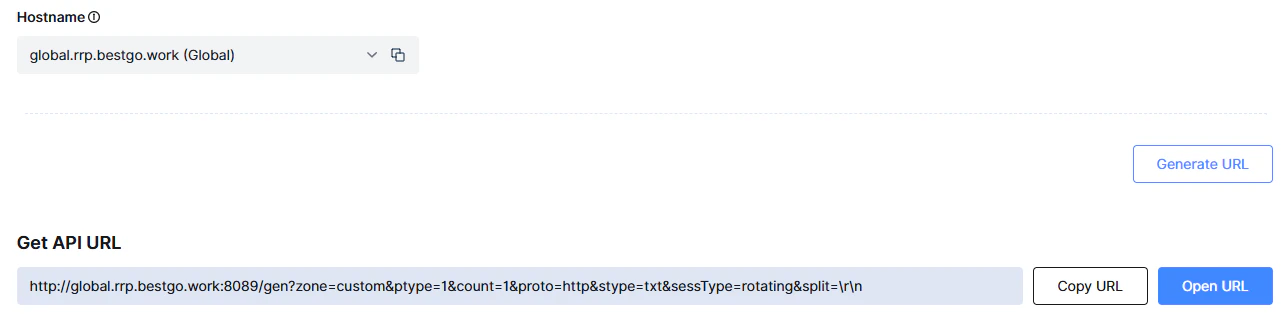
B2Proxy offers a simple and user-friendly API extraction method (authenticated via IP whitelisting) to help users quickly obtain and use dynamic residential proxies. Even first-time users of proxy services can easily complete the configuration. This article will guide you step-by-step on how to add a whitelisted IP in the dashboard and successfully extract dynamic residential proxies via the API, helping you quickly master the entire workflow.
Rotating IP: Auto-rotates IP per request (ideal for scraping/data collection).Sticky IP: The IP remains fixed for a period of time (5 minutes by default), suits account management).
When selecting a sticky IP, choose “Yes” in the [Change IP in Advance] option to allow the system to automatically switch the IP earlier based on its actual available time.
If you choose “No,” the IP will remain unchanged during the sticky session and can only be switched after the session ends.
Open the API link in your browser or configure it in your tool. A correct response example would be:1.1.1.1:88882.2.2.2:8888…If the following message appears, it means the whitelist was not added correctly. Please go back to step one and check.
IP Whitelist Check Failed
Rate Limit: 1 request/second.
Proxy Validity: 24 hours (default). Regenerate after expiry.